BEGIN:VCALENDAR
VERSION:2.0
PRODID:-//ChamberMaster//Event Calendar 2.0//EN
METHOD:PUBLISH
X-PUBLISHED-TTL:P1H
REFRESH-INTERVAL:P1H
CALSCALE:GREGORIAN
BEGIN:VTIMEZONE
TZID:America/New_York
BEGIN:DAYLIGHT
RRULE:FREQ=YEARLY;BYMONTH=3;BYDAY=2SU
DTSTART:20070101T000000
TZOFFSETFROM:-0500
TZOFFSETTO:-0400
TZNAME:Eastern Daylight Time
END:DAYLIGHT
BEGIN:STANDARD
RRULE:FREQ=YEARLY;BYMONTH=11;BYDAY=1SU
DTSTART:20070101T000000
TZOFFSETFROM:-0400
TZOFFSETTO:-0500
TZNAME:Eastern Standard Time
END:STANDARD
END:VTIMEZONE
BEGIN:VEVENT
DTSTART;TZID=America/New_York:20260903T120000
DTEND;TZID=America/New_York:20260903T130000
X-MICROSOFT-CDO-ALLDAYEVENT:FALSE
SUMMARY:The ROI You're Measuring Isn't the One That Matters: Employee Experience\, Integrated Care\, and What Sustainable Outcomes Actually Require
DESCRIPTION:Benefits leaders have spent years optimizing for the wrong signal: cost per claim\, utilization rates\, enrollment numbers while missing the thing that actually predicts whether a program works: whether employees want to use it. ROI is meaningless if the member experience drives people away\, and a fragmented benefits stack\, with separate vendors for MSK\, weight\, mental health\, and diabetes\, creates an experience of navigating bureaucracy at the exact moment someone is already struggling. Dr. Uppal will make the clinical case for why integrated\, multi-condition care closes that gap: treating weight\, chronic pain\, sleep\, and mental health as one connected reality instead of separate enrollment decisions. He'll speak to why sustainable outcomes depend on people actually wanting to stay engaged\, not just enrolling once\, and why that experience more than any single cost metric is the real predictor of long-term ROI. Understanding this shift now is how benefits leaders build programs people use\, not just programs they buy.Key Takeaways:A reframe on ROI: why member experience is the leading indicator that financial outcomes follow not the other way aroundWhat integrated\, multi-condition care looks like operationally from an employer who built it -The clinical case for closing the gap between how employees experience chronic conditions and how benefits programs are designed to address them A forward look at the next class of obesity medications\, what the early data shows\, and what employers should be tracking now Practical guidance on evaluating whether your current benefits stack is designed around your members or around your vendor contracts\nIncludes HRCI CEU/SHRM PDCAbout the PresenterDr. Nishu Uppal\, MD\, MBA\, Medical DirectorDr. Uppal is a practicing internal medicine physician and healthcare policy researcher trained at Brigham and Women's Hospital. He has published in leading journals including NEJM\, JAMA\, and Health Affairs\, and his research has informed federal healthcare legislation. He holds an MD from Harvard Medical School (Presidential Scholar) and an MBA from Harvard Business School.
X-ALT-DESC;FMTTYPE=text/html:Benefits leaders have spent years optimizing for the wrong signal: cost per claim\, utilization rates\, enrollment numbers &mdash\; while missing the thing that actually predicts whether a program works: whether employees want to use it. ROI is meaningless if the member experience drives people away\, and a fragmented benefits stack\, with separate vendors for MSK\, weight\, mental health\, and diabetes\, creates an experience of navigating bureaucracy at the exact moment someone is already struggling. Dr. Uppal will make the clinical case for why integrated\, multi-condition care closes that gap: treating weight\, chronic pain\, sleep\, and mental health as one connected reality instead of separate enrollment decisions. He'\;ll speak to why sustainable outcomes depend on people actually wanting to stay engaged\, not just enrolling once\, and why that experience &mdash\; more than any single cost metric is the real predictor of long-term ROI. Understanding this shift now is how benefits leaders build programs people use\, not just programs they buy.
Key Takeaways:
- A reframe on ROI: why member experience is the leading indicator that financial outcomes follow not the other way around
- What integrated\, multi-condition care looks like operationally from an employer who built it -The clinical case for closing the gap between how employees experience chronic conditions and how benefits programs are designed to address them \;
- A forward look at the next class of obesity medications\, what the early data shows\, and what employers should be tracking now \;
- Practical guidance on evaluating whether your current benefits stack is designed around your members or around your vendor contracts
Includes HRCI CEU/SHRM PDC

About the Presenter
Dr. Nishu Uppal\, MD\, MBA\, Medical Director
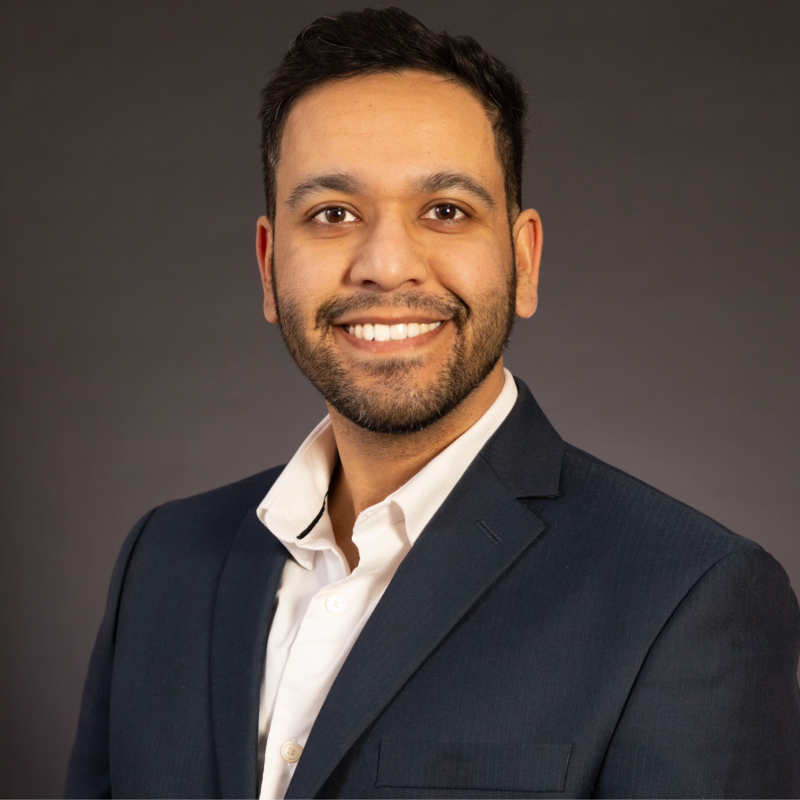
Dr. Uppal is a practicing internal medicine physician and healthcare policy researcher trained at Brigham and Women'\;s Hospital. He has published in leading journals including NEJM\, JAMA\, and Health Affairs\, and his research has informed federal healthcare legislation. He holds an MD from Harvard Medical School (Presidential Scholar) and an MBA from Harvard Business School. \;
LOCATION:
UID:e.4604.1579256
SEQUENCE:3
DTSTAMP:20260801T231330Z
URL:https://members.shrmatlanta.org/events/Details/the-roi-you-re-measuring-isn-t-the-one-that-matters-employee-experience-integrated-care-and-what-sustainable-outcomes-actually-require-1860377?sourceTypeId=Hub
END:VEVENT
END:VCALENDAR